Cultivating ethnogenic plants
through plant tissue culture
Ethnobotanicals pertains to ethnobotany, which is the scientific study of the traditional knowledge, customs, and practical applications of plants by specific cultures or Indigenous societies. It explores how local populations use native flora for medicine, food, shelter, rituals, and clothing.
We provide products and services that brings these plants to your doorstep.
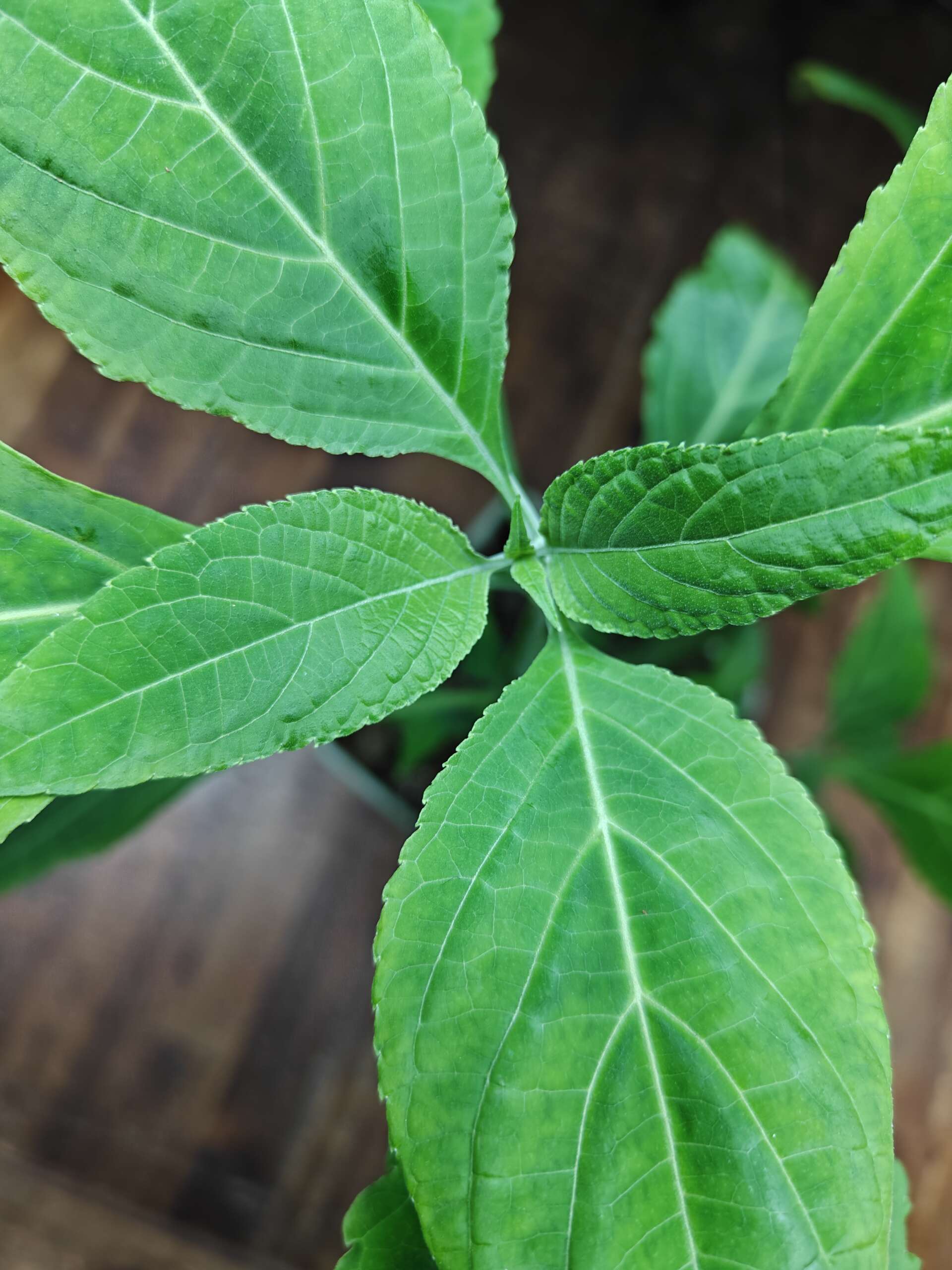
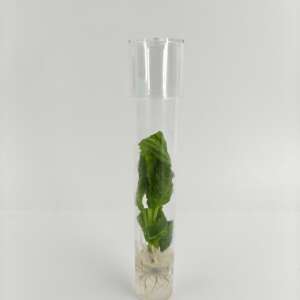
We specialize in the propagation of ethnobotanically relevant plants using plant tissue culture. By working in sterile, controlled environments, we are able to reproduce plants consistently and at scale — without placing pressure on wild populations.
Our approach bridges traditional botanical knowledge with modern laboratory techniques, ensuring genetic stability, plant health, and long‑term sustainability.
In vitro propagation reduces the need for wild harvesting and helps preserve vulnerable plant species.
Consistency
Controlled conditions allow for uniform growth and reliable plant material.
Contamination
Sterile environments minimize pests, pathogens, and external variables.
Scalable
Plant tissue culture enables responsible scaling without compromising ecological balance.
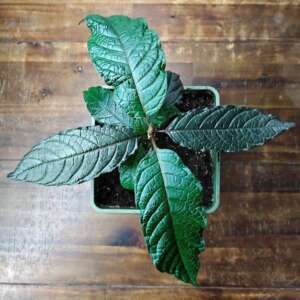
Our catalogue consists of carefully selected plant species cultivated through tissue culture. Each plant is propagated while taking into account their specific needs of growth hormones and other conditions that influence their growth.
Contact us if you want your plant to be multiplied. We provide the service to bring your specimen into tissue culture where it can be multiplied on demand.
Healthy and genetically stable mother plants are selected as the foundation of each culture.
2. Sterile culture initiation
Plant material is introduced into a sterile in‑vitro environment to prevent contamination.
3. Controlled propagation
Plants are multiplied under carefully monitored conditions to ensure consistency and vitality.
*4. Plant Acclimatization
Plants are gradually adapted from laboratory conditions to external environments.
*5. Distribution of plants
Plants are prepared for delivery according to their requirements and destination regulations.
*The first 3 steps are standard and the last 2 steps are optional
Our vision
We believe that responsible cultivation is essential to the future of ethnobotanical plants. Through science, ethical awareness, and transparent communication, we aim to contribute to the preservation, understanding, and respectful distribution of these species.
Our work is guided by sustainability, accuracy, and a long‑term perspective—placing equal value on plants, ecosystems, and the people who engage with them.
Essential cookies enable basic functions and are necessary for the proper function of the website.
Name
Description
Duration
Cookie Preferences
This cookie is used to store the user's cookie consent preferences.
30 days
These cookies are needed for adding comments on this website.
Name
Description
Duration
comment_author
Used to track the user across multiple sessions.
Session
comment_author_email
Used to track the user across multiple sessions.
Session
comment_author_url
Used to track the user across multiple sessions.
Session
Statistics cookies collect information anonymously. This information helps us understand how visitors use our website.
SourceBuster is used by WooCommerce for order attribution based on user source.
Name
Description
Duration
sbjs_session
The number of page views in this session and the current page path
30 minutes
sbjs_udata
Information about the visitor’s user agent, such as IP, the browser, and the device type
session
sbjs_first
Traffic origin information for the visitor’s first visit to your store (only applicable if the visitor returns before the session expires)
session
sbjs_current
Traffic origin information for the visitor’s current visit to your store
session
sbjs_first_add
Timestamp, referring URL, and entry page for your visitor’s first visit to your store (only applicable if the visitor returns before the session expires)
session
sbjs_current_add
Timestamp, referring URL, and entry page for your visitor’s current visit to your store
session
sbjs_migrations
Technical data to help with migrations between different versions of the tracking feature